Location & History
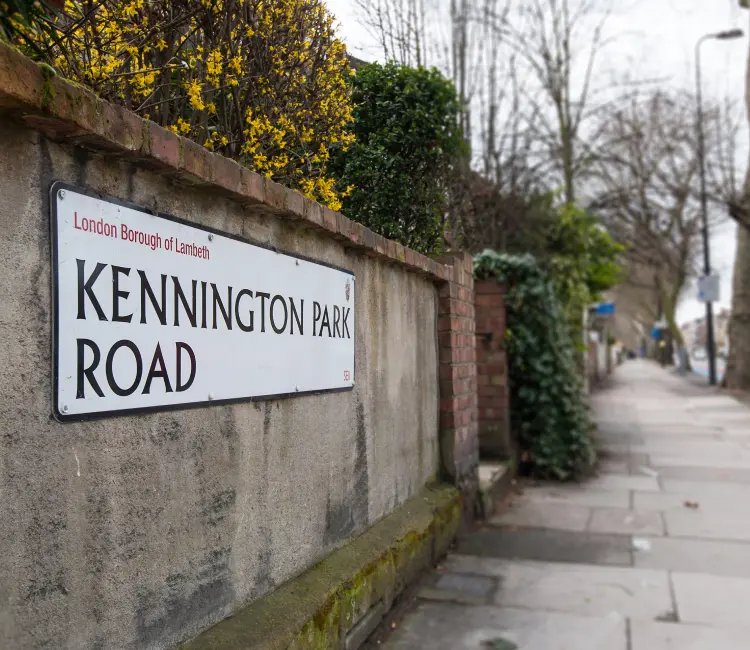
Kennington sits in the London Borough of Lambeth, straddling the boundary with the London Borough of Southwark, roughly 1.4 miles south of Charing Cross. Its SE11 postcode covers the heart of the district, with parts of the periphery falling into SE1, SE17, SW8 and SW9. To the north lies Waterloo and the South Bank; Vauxhall sits to the west, Elephant & Castle to the east, and Oval and Stockwell to the south.
Few inner London neighbourhoods carry as much royal history as Kennington. Edward III granted the manor to his eldest son, Edward the Black Prince, in 1337, and a royal palace once stood near Kennington Cross. Geoffrey Chaucer served as Clerk of Works here in 1389, and successive monarchs including Henry IV, Henry VI and Henry VII all had associations with the area.
That royal manor remains, to this day, part of the Duchy of Cornwall. The modern street pattern began to take shape after Westminster Bridge opened in 1750 and Kennington Road was laid out under an Act of 1751. By the early nineteenth century, the village had grown into a suburb of grand Georgian terraces and formal squares.
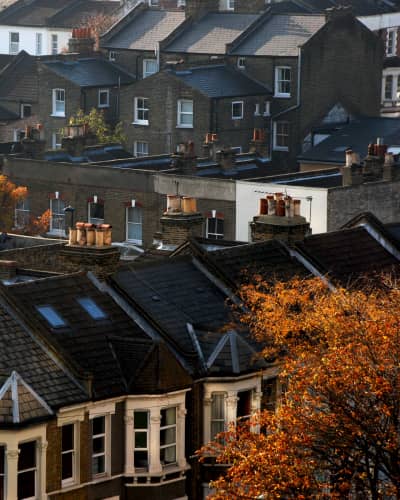
A second wave of dense Victorian development followed, and much of what defines Kennington’s streetscape today dates from those two eras.
The early twentieth century brought a period of decline, as the middle classes moved further out of London and large houses became harder to maintain.
In 1968, Lambeth Council designated much of Kennington a Conservation Area, protecting its built fabric and open spaces. In recent decades, the area has attracted growing numbers of professionals and families drawn by its central location, period housing stock and comparatively lower prices than neighbourhoods immediately across the river.
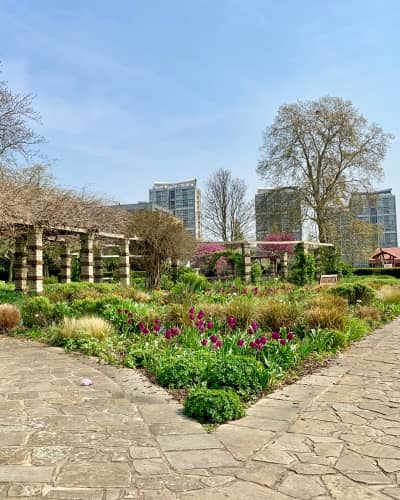
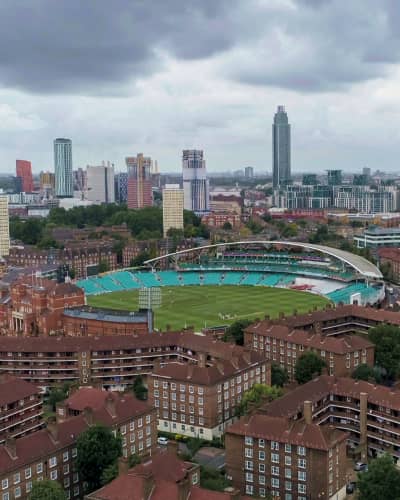
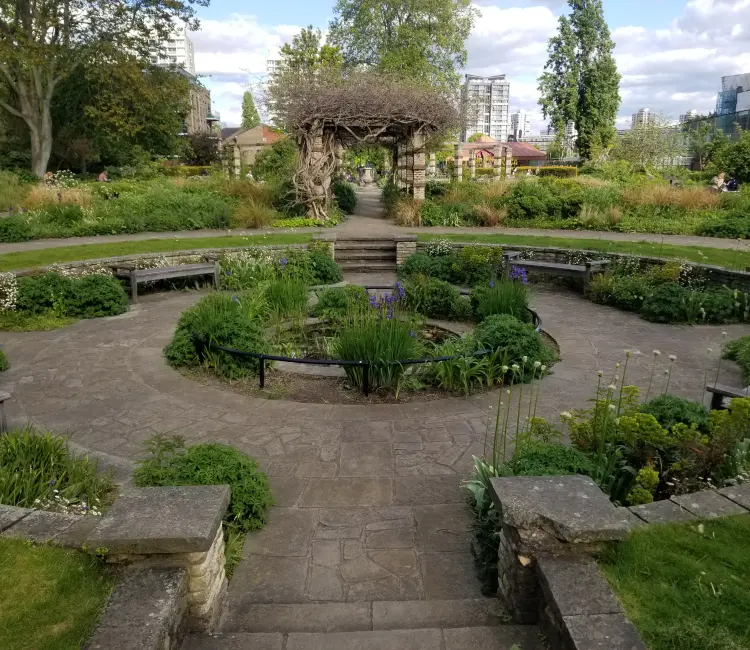
Kennington is home to three landmarks that give it a clear identity: the Kia Oval cricket ground, the Imperial War Museum, and Kennington Park. Its streets are defined by Georgian terraces and leafy squares, including the restored Cleaver Square and the elegant Courtenay Square, both of which give the area a quieter, more considered feel than many parts of inner South London.
Lambeth Council formally adopted the Kennington, Oval and Vauxhall Neighbourhood Plan in January 2026, which now forms part of the statutory development plan for the area and will guide planning decisions for years ahead. That kind of planning stability, combined with proximity to Westminster and the South Bank, continues to make Kennington one of South London’s most consistent draws for buyers and landlords alike.