Japanese Knotweed: Search Your Postcode
Japanese knotweed derails property sales more often than most buyers and sellers realise — affecting mortgage offers, valuations, and whe...

The Bank of England has raised Bank Rate from 3.75% to 4%, the first increase in more than three years.
The Monetary Policy Committee voted by eight to one for the quarter-point rise, with the remaining member, Catherine Mann, preferring an increase to 4.25%. The Bank says inflation, currently 3.5%, could reach around 5% by the middle of next year, largely because of rising global energy prices.
Importantly, the Governor has indicated that this is unlikely to be the last increase unless the conflict in the Middle East is resolved. The direction of travel matters as much as today’s decision.
This is unwelcome news for a market already struggling with affordability and confidence. Mortgage approvals are at their lowest in almost three years, Zoopla estimates that mortgage-dependent buyers have lost around 15% of their purchasing power, and Savills has just downgraded its forecast to a 1.5% fall in house prices during 2027.
Borrowers on tracker or variable-rate mortgages will feel today’s rise immediately. On a £250,000 repayment mortgage over 25 years, a quarter point is roughly £35 a month. Buyers may also find that affordability calculations reduce how much they can borrow, which matters more than the monthly figure.
Fixed rates do not simply follow Bank Rate point for point. They are influenced by wholesale funding costs and market expectations, and some lenders had already adjusted their pricing in anticipation of today’s decision. The direction of travel, though, is likely to make buyers more cautious, encourage renegotiation and put further pressure on fragile transactions.
When a buyer has lost a slice of their borrowing power, every finding in a report becomes a number in somebody’s negotiation. That changes the nature of the calls you take after delivery. Expect more pressure to put figures on things, and more requests to go further than the inspection reasonably supports. The answer is the one it has always been: report the condition, set out the further investigation needed, and leave the parties to negotiate. Nobody should be turning an independent surveyor into the buyer’s agent.
Fragile chains also break more often, which means more abortive work. Now is a sensible moment to look again at how your terms of engagement deal with cancellation and abortive fees, before you need them rather than afterwards.
And a thinner market always tempts somebody to buy the work. Our view is straightforward. Undercutting in a falling market is how practices end up carrying out their most difficult inspections for their lowest fees, and the claims tend to arrive about eighteen months later. Competing on quality and on the strength of the advice has served our members far better than competing on price.
A difficult mortgage market does not make an independent survey less important. It makes it more important.
Buyers stretching their finances cannot afford to discover major roofing, damp, drainage or structural problems after completion. Clear, independent advice helps them understand the property, plan future expenditure and make properly informed decisions. It is worth remembering that today’s rise alone costs a typical borrower roughly what a survey costs, every year, and it buys them nothing at all.
This rate rise is another challenge, but it does not close the housing market. People will continue to move because their lives require them to. In a more cautious market, realistic pricing, good professional advice and confidence in the condition of the property become more valuable than ever.

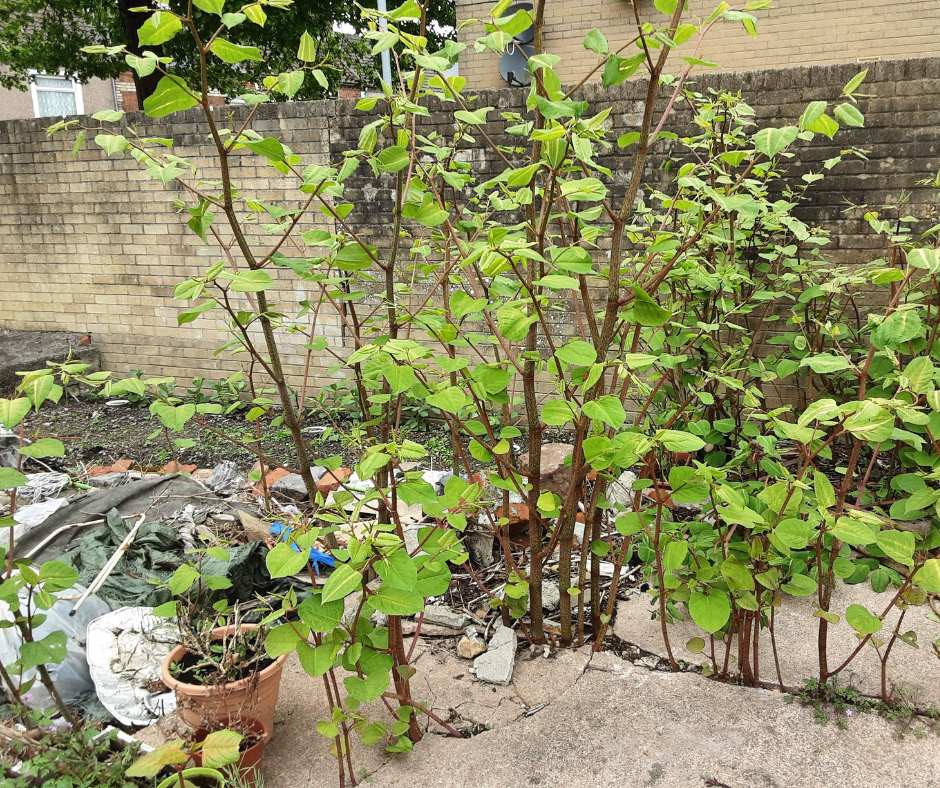
Japanese knotweed derails property sales more often than most buyers and sellers realise — affecting mortgage offers, valuations, and whe...
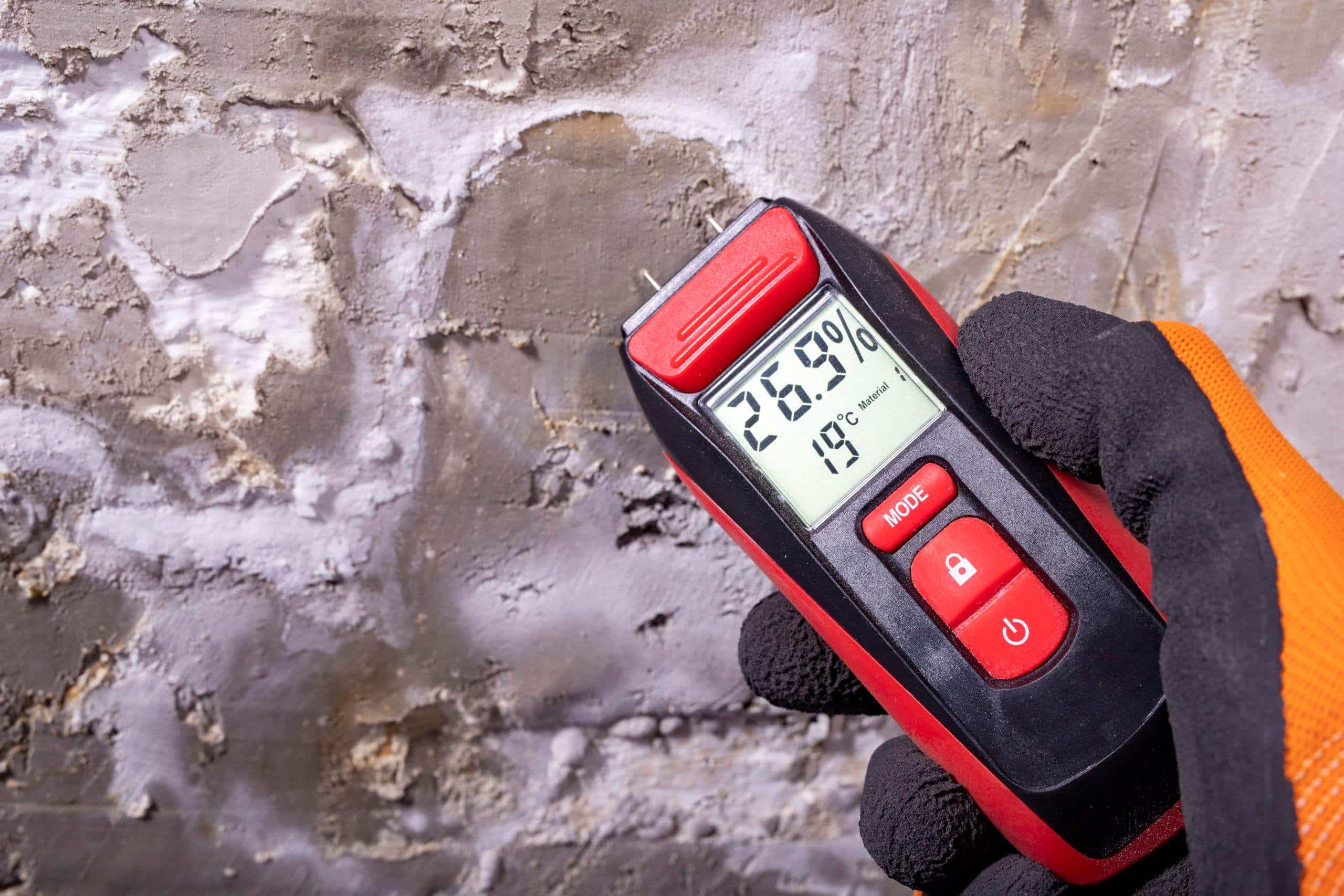
If you’re purchasing a property in Oval, you’ll almost certainly have received a recommendation to carry out a survey on your desired

# Could Homebuying in England Finally Be Getting a Long-Overdue Overhaul? One in three property sales falls through. The average transac...


