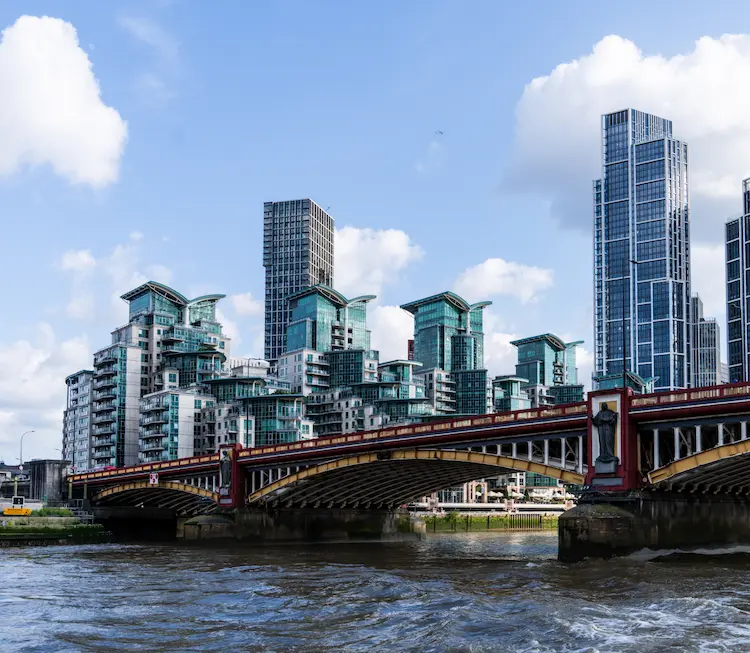
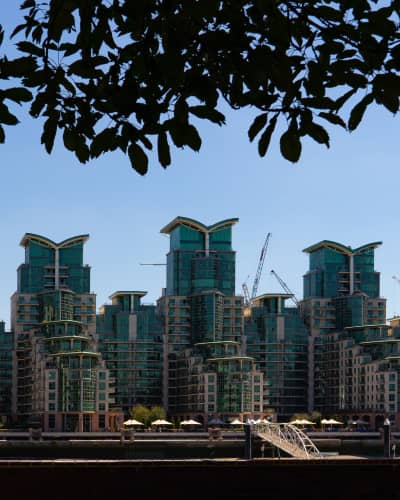
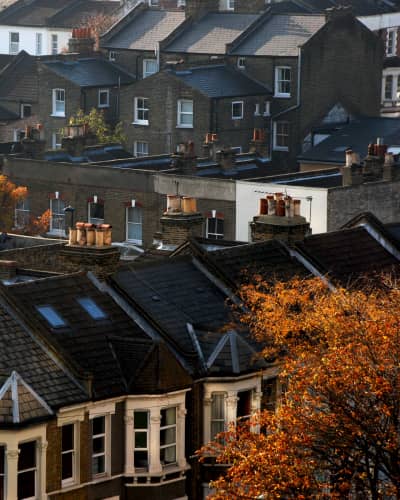
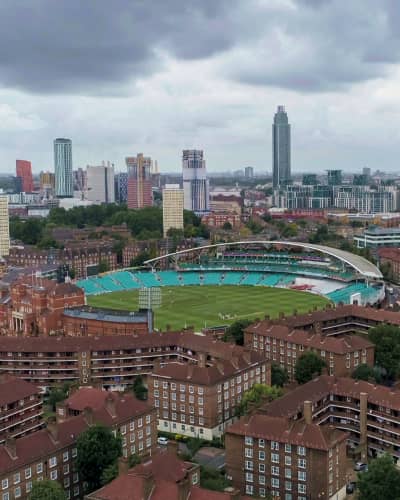
Architecture: Vauxhall’s housing stock is dominated by flats — both purpose-built and converted — which account for around 97% of residential properties in the area. The high-rise towers of St George Wharf set the tone for much of the riverside, while parts of the Victorian and Edwardian streetscape survive inland. Fentiman Road and Heyford Avenue are the best-known residential streets for period terraced houses, offering two- and three-storey homes with original features.
Bonnington Square is an unusual pocket of co-operative housing, planted with lush front gardens, which retains a markedly different character to the rest of the postcode. New-build high-rise blocks along the riverfront and around Vauxhall Cross represent the majority of what has been added to the housing stock in the last 15 years.
Best Streets: Fentiman Road is widely regarded as the premium residential address in Vauxhall, with its wide Victorian terraces commanding the area’s highest prices for houses. Heyford Avenue offers similar period properties with slightly more competitive pricing. For new-build apartments, Riverlight Quay and the towers of St George Wharf provide high-specification units with Thames views. South Lambeth Road and Lambeth Road offer conversion flats at more accessible price points, popular with first-time buyers and investors.
Developments: Vauxhall sits within the Vauxhall, Nine Elms and Battersea Opportunity Area — the largest central London regeneration zone. Around 3,500 new homes are expected in the Vauxhall portion of this area alone, with the broader zone targeting over 18,000 new homes and 25,000 new jobs. The Northern line extension, completed in 2021, added Nine Elms and Battersea Power Station stations to the network, strengthening the wider area’s transport credentials.
The nearby Elms Battersea and Battersea Power Station development opened fully in 2022 and now contains retail, leisure and residential space. Vauxhall Square, the proposed mixed-use scheme at Vauxhall Cross, remains a significant planned addition to the area. Improvements to Vauxhall Underground station, costing around £36 million, have already been completed.
Property prices: According to Rightmove, the average sold price across Vauxhall over the last year is approximately £817k. The market is almost entirely flat-led given the nature of the housing stock. At the premium end, properties at St George Wharf have achieved significantly above this average, with larger lateral apartments and penthouse units trading well above £1m.
Fentiman Road houses — when they do come to market — typically command prices well in excess of the postcode average. Prices have moderated from their mid-2010s peak, in line with the broader inner South London market, but the area’s Zone 1 status and the continued build-out of the Nine Elms regeneration zone provide a firm structural base.
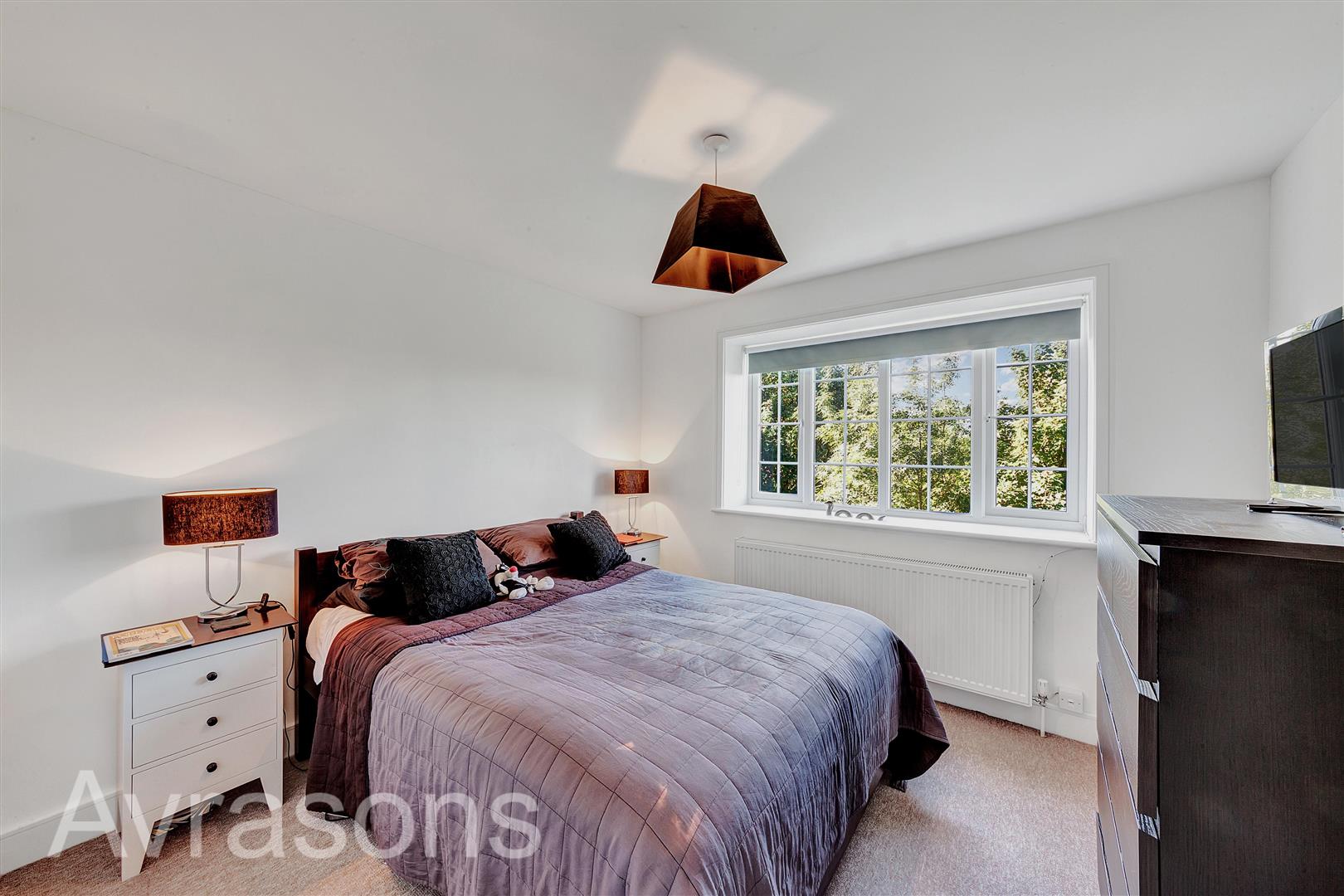
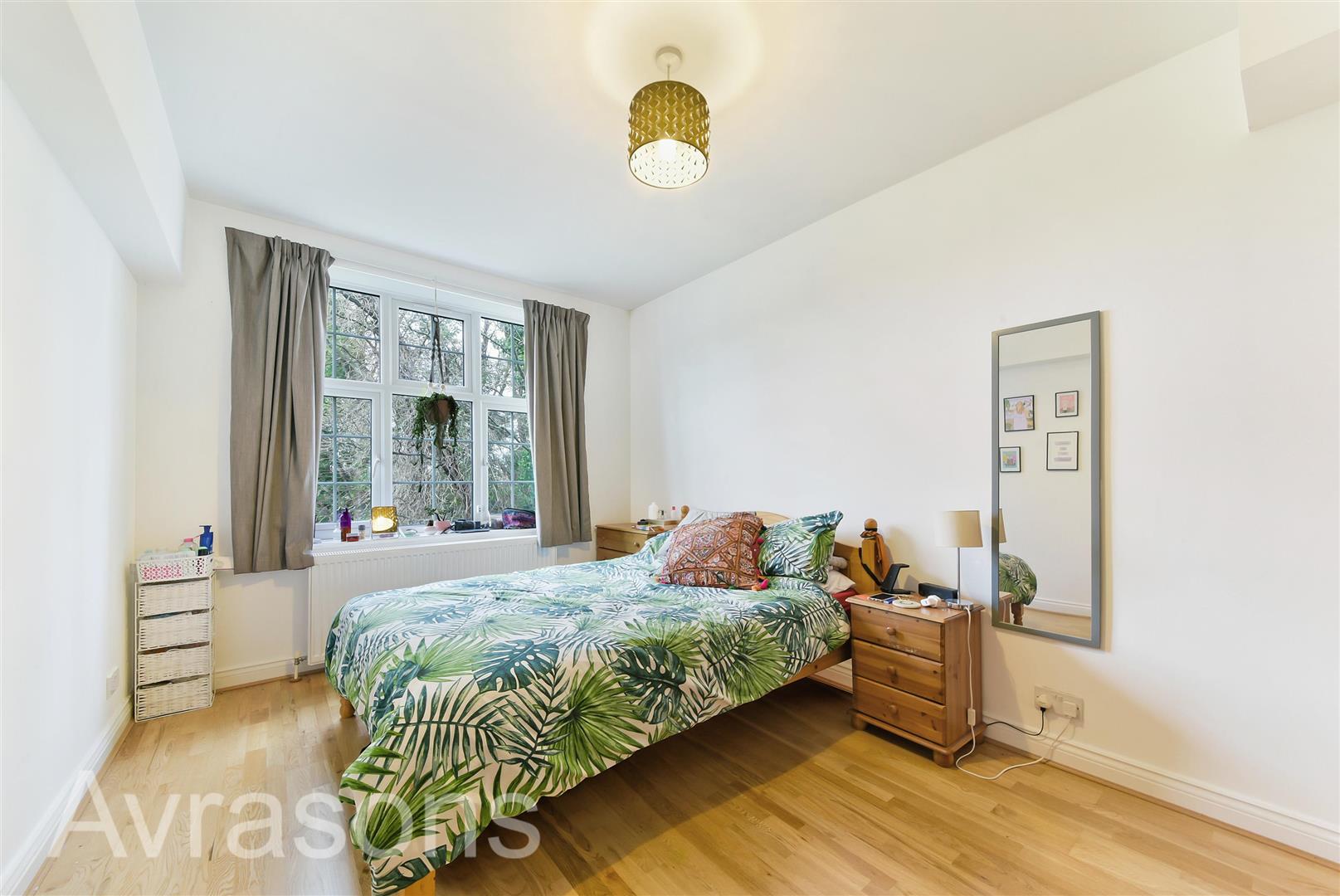
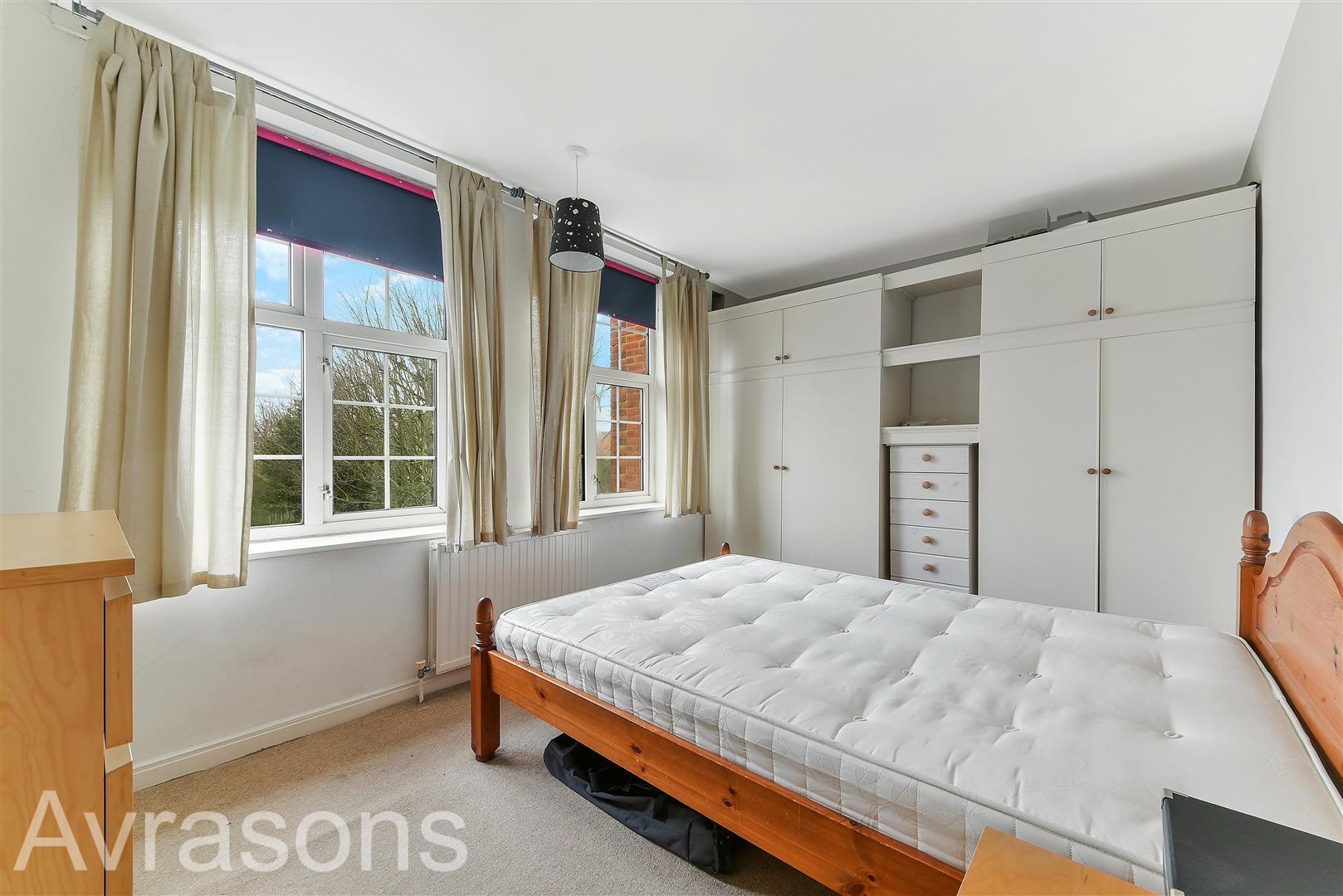
Rental market: According to the ONS Price Index of Private Rents, the average monthly private rent across the London Borough of Lambeth — which covers Vauxhall — reached £2525 in February 2026, an annual increase of 6.8% from £2366 a year earlier. This is above the London average and reflects sustained demand from professional tenants, civil servants and parliamentary staff drawn to the area’s central location. One-bedroom flats in Vauxhall typically let from around £1,800 per month, with two-bedroom units ranging from approximately £2,200 to £3,000 depending on specification and floor level.
The riverside towers at St George Wharf and the newer Nine Elms developments attract tenants prepared to pay a premium for concierge, gym and river-view specifications. For landlords, Vauxhall’s consistent tenant demand — driven by Zone 1 status and proximity to Westminster and the South Bank — underpins both occupancy levels and achievable rents.